
The Importance of EPC Ratings
- Environmental Impact: Buildings are significant contributors to carbon emissions. By understanding and improving EPC ratings, we can collectively work towards mitigating environmental damage.
- Cost Efficiency: A higher EPC rating often translates to lower energy bills. Investing in energy-efficient measures not only benefits the environment but also saves money in the long run.
- Legislation Compliance: In many countries, it’s mandatory for properties to have an EPC when they are sold, rented, or constructed. Adhering to EPC regulations ensures legal compliance.

EPC Certificate
Secure your Energy Performance Certificate (EPC)! Our certified inspectors use cutting-edge technology for a comprehensive assessment valid for 10 years.

Understanding EPC Ratings
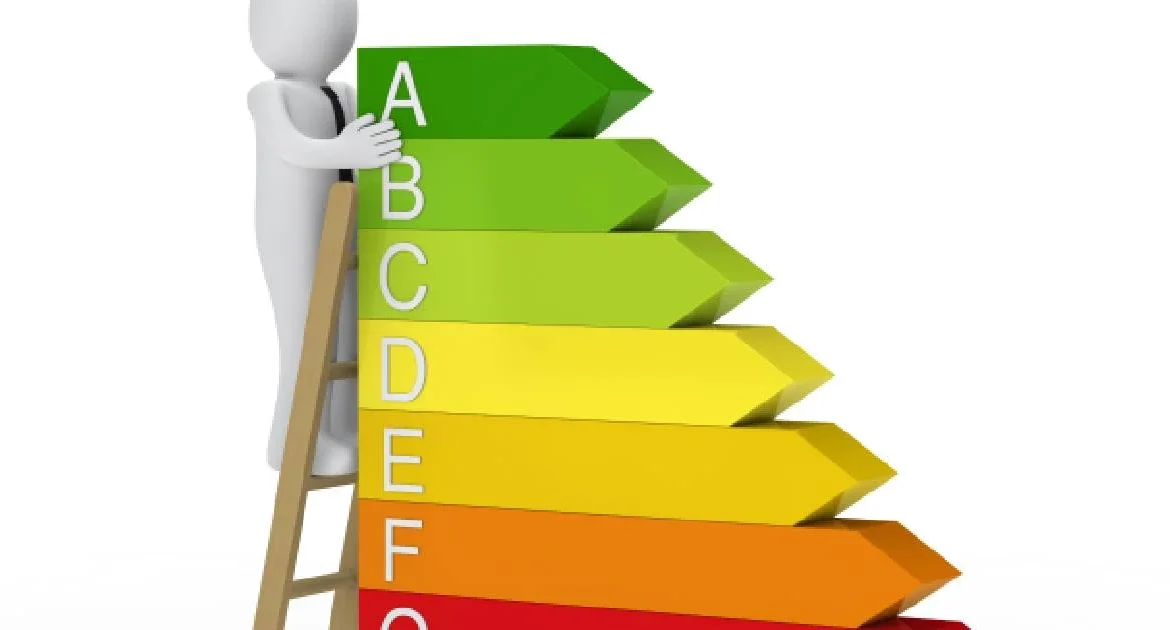
EPC ratings are depicted on a scale from A to G, with A being the most energy-efficient and G being the least. Here’s a breakdown:- A: Highly efficient, minimal energy consumption.
- B: Very efficient, low energy consumption.
- C: Good efficiency, moderate energy consumption.
- D: Fair efficiency, average energy consumption.
- E: Below-average efficiency, higher energy consumption.
- F: Poor efficiency, significant energy consumption.
- G: Very poor efficiency, excessive energy consumption.
Factors Influencing EPC Ratings
Several factors contribute to a property’s EPC rating:- Insulation: Adequate insulation in walls, floors, and roofs helps retain heat, improving energy efficiency.
- Heating Systems: The type and efficiency of heating systems significantly impact energy consumption.
- Lighting: Energy-efficient lighting, such as LEDs, can enhance a property’s EPC rating.
- Renewable Energy Sources: Integration of renewable energy technologies like solar panels or wind turbines can boost EPC ratings.
Improving EPC Ratings
For homeowners and landlords looking to enhance their property’s EPC rating, here are some suggestions:- Insulation Upgrades: Invest in better insulation to reduce heat loss and improve energy efficiency.
- Upgrade Heating Systems: Consider installing high-efficiency boilers or heat pumps for heating purposes.
- Energy-Efficient Lighting: Replace traditional light bulbs with LED or CFL bulbs to lower energy consumption.
- Renewable Energy Integration: Explore options for incorporating renewable energy sources to generate electricity or heat.

Leave a Reply
You must be logged in to post a comment.